
The Fine Print Fiasco: Mandatory Binding Arbitration in West Virginia Nursing Home Contracts
The decision to move a parent or loved one into a nursing home is one of the most difficult a family can make. It is a process filled with emotion, hope, and a significant amount of paperwork. In a whirlwind of admissions forms, medical histories, and financial disclosures, you are presented with a thick contract. You sign and initial where you are told, trusting that these documents are standard procedure, designed to ensure your loved one receives the care they need. Buried deep within that stack of papers, however, often lies a clause that you may not notice, and its implications are profound. It is called a mandatory binding arbitration agreement.
What Exactly is Mandatory Binding Arbitration?
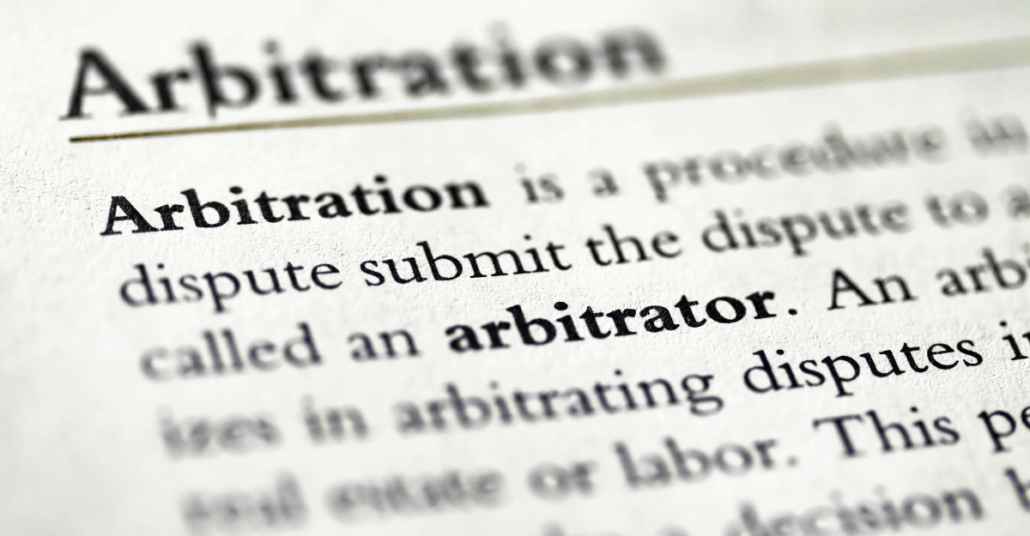
To appreciate the impact of these clauses, it is important to know what you are agreeing to. A mandatory binding arbitration agreement is a contract provision that forces any future dispute out of the public court system and into a private resolution process.
Think of it as a private, for-profit justice system. Instead of a judge and jury, your case is heard by a third-party arbitrator, or a panel of them, who makes a final decision. Let’s break down the key terms:
- Mandatory: This means you are required to use arbitration to resolve any disputes. By signing, you are prospectively waiving your right to file a lawsuit for any future harm, whether it involves a fall, medication errors, abuse, or even wrongful death.
- Binding: The arbitrator’s decision is final and legally enforceable. Unlike a court verdict, the grounds for appealing an arbitrator’s decision are extremely narrow, even if the arbitrator made a clear error of law or fact.
This process fundamentally alters the legal landscape for a resident who has been wronged. It takes the dispute out of the community’s view and places it into a private forum that often operates under rules that favor the facility.
Why Do Nursing Homes Insist on These Clauses?
Nursing homes and their corporate owners are not including arbitration clauses for the benefit of their residents. They are strategic tools designed to manage risk and limit their financial exposure when something goes wrong. The primary motivation is to avoid facing a jury of community members who might be sympathetic to an injured resident.
Here are the key advantages a facility gains by forcing claims into arbitration:
- Confidentiality and Secrecy: Arbitration proceedings are private. There is no public record of the filings, the evidence, or the outcome. This allows a facility with a pattern of neglect to keep its problems out of the public eye, preventing future residents and their families from discovering a history of safety issues.
- Limiting Damages: Juries often award significant damages for pain and suffering to compensate victims of severe neglect. Arbitrators, on the other hand, are often perceived as being more conservative and may issue smaller awards. Some arbitration agreements even include illegal provisions that attempt to cap the amount of damages a resident can recover.
- The “Repeat Player” Effect: Nursing home chains are “repeat players” in the arbitration system. They may use the same arbitration company over and over again. This can create a potential for bias, as arbitrators may be hesitant to issue a large award against a company that provides them with consistent business.
- Discouraging Claims: The process itself can be a deterrent. Knowing they cannot have their day in court before a jury of their peers may discourage some families from pursuing a legitimate claim altogether.
What Rights Are Lost When Signing an Arbitration Agreement?
The consequences of signing a mandatory arbitration clause are far-reaching. You are not simply agreeing to a different venue; you are waiving some of the most important protections offered by the American civil justice system.
- Forfeiture of Your Right to a Jury Trial: The Seventh Amendment to the U.S. Constitution guarantees the right to a trial by jury in most civil cases. A jury is a cornerstone of our justice system, ensuring that community standards of fairness are applied. Arbitration eliminates this right entirely.
- Limited Discovery: In a lawsuit, the discovery process allows both sides to gather evidence through depositions, document requests, and interrogatories. This is vital in a nursing home case to uncover staffing records, incident reports, and internal communications that can prove a pattern of neglect. Arbitration often has severely restricted discovery rules, making it much harder to build a strong case.
- Extremely Limited Appeals: If a judge makes a legal error during a trial, that decision can be appealed to a higher court. In binding arbitration, the arbitrator’s decision is nearly impossible to overturn. You are generally stuck with the outcome, even if it is unjust.
- Lack of Public Accountability: When cases are tried in open court, they create a public record. This transparency helps hold negligent facilities accountable and informs regulatory agencies and the public about dangerous conditions. Arbitration keeps these disputes in the shadows.
Are These Agreements Enforceable in West Virginia?
This is the central question for many families. Just because a clause is in the contract does not automatically make it legally enforceable. The answer is complex and depends on the specific facts of each case, involving an interplay between federal and state law.
The Federal Arbitration Act (FAA) is a federal law that generally favors the enforcement of arbitration agreements. However, this federal preference is not absolute. For an arbitration agreement to be valid, it must first be a legally formed contract under state law. In West Virginia, general contract law principles can be used to challenge the validity of these clauses.
A court may refuse to enforce an arbitration agreement if it is found to be “unconscionable.” Unconscionability has two components:
- Procedural Unconscionability: This relates to the process of forming the contract. Was there a massive imbalance in bargaining power? Was the clause hidden in dense legal language in a lengthy document? Was the resident or their family member rushed into signing without a chance to read or ask questions? In the high-stress context of a nursing home admission, these conditions are often present.
- Substantive Unconscionability: This relates to the fairness of the terms themselves. Are the terms of the agreement excessively one-sided? Does the clause require the resident to pay exorbitant fees to arbitrate, or severely limit the damages they can recover?
Furthermore, recent federal regulations from the Centers for Medicare & Medicaid Services (CMS) have added protections for residents. While an earlier ban on pre-dispute arbitration agreements was rolled back, current rules require that facilities cannot make signing an arbitration agreement a condition of admission. The agreement must be explained to the resident in a manner they understand, and it must be entered into voluntarily.
Who Legally Has the Power to Sign the Agreement?
Another key avenue for challenging these clauses is the authority of the person who signed the document. Often, the resident is too ill or incapacitated to sign for themselves. A spouse, child, or other representative signs the admission paperwork.
For that signature to be valid, the person signing must have the legal authority to act on the resident’s behalf and, more specifically, the authority to waive the resident’s constitutional right to a jury trial.
- Power of Attorney (POA): If the signer holds a POA for the resident, the specific language of that document is paramount. Does it grant the agent the power to enter into contracts and make legal decisions? Some West Virginia courts have scrutinized whether a general POA is specific enough to authorize the waiver of such a fundamental right.
- Signing Without Legal Authority: If a family member signs the agreement but does not have a legally recognized status like a POA or guardianship, their signature may not be binding on the resident. A child or spouse does not automatically have the power to sign away their parent’s or spouse’s legal rights.
If the nursing home cannot prove that the person who signed the arbitration clause had the proper legal authority to do so, the agreement may be deemed invalid.
What Should You Do if You Signed an Arbitration Clause and Harm Occurred?
Discovering you signed one of these agreements after your loved one has suffered from neglect or abuse can feel defeating. But it is important not to give up hope. These clauses are challenged successfully every day.
- Do Not Assume It Is Enforceable: The most common mistake is assuming the fight is over before it begins. The enforceability of these agreements is a highly contested area of law.
- Gather All Documents: Locate the entire admission packet, including the contract and any documents related to the arbitration agreement.
- Document the Signing Process: Write down everything you remember about the day the papers were signed. Were you rushed? Did anyone from the facility explain the arbitration clause to you? Did they say it was mandatory?
- Consult with an Attorney Immediately: This is not a matter to handle on your own. The legal arguments used to defeat these clauses are complex. An attorney with experience in West Virginia nursing home litigation can analyze the specific language of your agreement and the circumstances under which it was signed to determine the best strategy for challenging it.
Challenging Mandatory Arbitration in Court
When a family files a lawsuit against a nursing home for neglect or abuse, the facility’s first move is typically to file a “motion to compel arbitration.” They present the signed agreement to the judge and ask the court to dismiss the lawsuit and force the case into a private forum.
This is where the battle begins. Your legal team will file a response, arguing that the agreement is invalid and unenforceable. The arguments could include:
- The person who signed lacked the legal authority to bind the resident.
- The agreement is procedurally unconscionable due to the unequal bargaining power and the deceptive manner in which it was presented.
- The agreement is substantively unconscionable because its terms are outrageously unfair.
- The facility violated CMS regulations by failing to explain the agreement or by making it a condition of admission.
- Enforcing the agreement would violate the public policy of West Virginia, which is to protect vulnerable nursing home residents.
The court will review the evidence and legal arguments to decide whether your case can proceed in court, where a jury can hear the evidence and hold the facility accountable.
Experienced Legal Advocacy for West Virginia Families
The fine print in a nursing home contract can have devastating consequences, but it does not have to be the final word. A mandatory arbitration clause is a hurdle, not necessarily a complete barrier to justice. The legal team at Powell & Majestro, P.L.L.C., has substantial experience assisting families throughout West Virginia whose loved ones have been harmed by the negligence of others.
We are committed to protecting the rights of vulnerable residents and know how to build a strong, evidence-based case that confronts the tactics used by corporations to evade responsibility. We believe that every resident deserves their day in court, and we work diligently to overcome procedural obstacles like forced arbitration.
For a free, no-obligation consultation to learn more about your legal options, call our office today at (304) 346-2889 or reach out to us through our online contact form.



Leave a Reply
Want to join the discussion?Feel free to contribute!