
Proton‑Pump Inhibitor Litigation Nears Resolution: What PPI Users Should Know About Ongoing Lawsuits
The moments after an unexpected medical diagnosis blur together the sterile lights of the nephrologist’s office, the urgent discussions about dialysis ports, the mounting stack of hospital bills, and that nagging, persistent question: “How did my kidneys fail when I have always been generally healthy?” For years, millions of people reached into their medicine cabinets for a simple solution to a common problem. A burning sensation in the chest after a heavy meal usually meant taking a pill that promised fast relief. Heartburn, acid reflux, and gastroesophageal reflux disease affect countless families from Kanawha City to the quiet neighborhoods of Teays Valley. Patients trusted that the colorful capsules sitting on pharmacy shelves were thoroughly tested and entirely safe for daily consumption.
What Are Proton-Pump Inhibitors and Why Are They Dangerous?
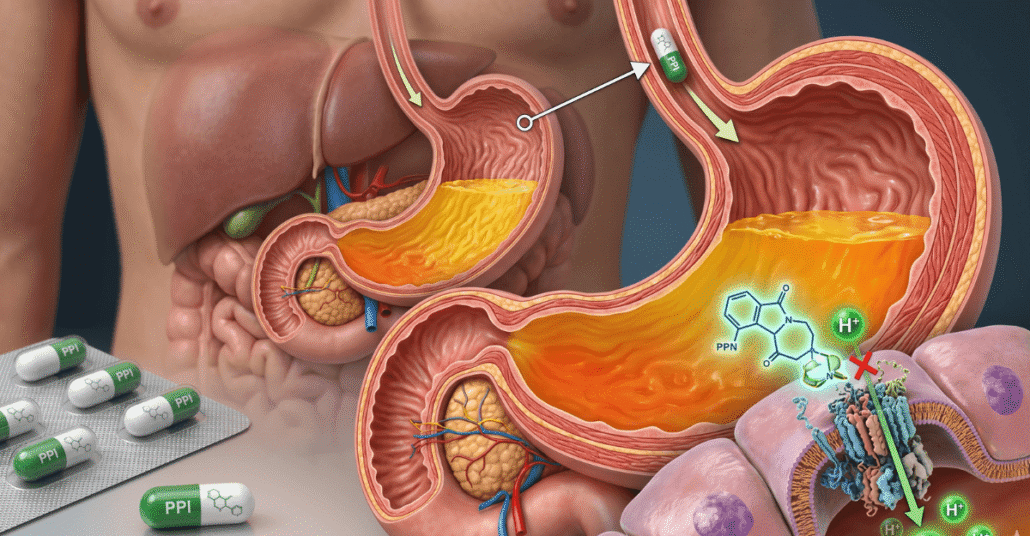
Proton-pump inhibitors, commonly known as PPIs, are widely prescribed medications used to treat frequent heartburn, acid reflux, and gastroesophageal reflux disease by reducing stomach acid production. While effective for short-term relief, prolonged use of these drugs has been heavily linked to severe, irreversible kidney damage and chronic renal failure.
The human stomach naturally produces strong acids to digest food. When the muscular valve between the stomach and the esophagus weakens, that acid travels upward, creating the uncomfortable sensation known as heartburn. Proton-pump inhibitors block the specific enzyme in the stomach wall that generates this acid. By shutting down the acid pumps, the medication provides significant relief for patients suffering from persistent digestive distress.
The danger lies heavily in the duration of use. The Food and Drug Administration initially approved these medications for short-term courses, typically two to four weeks. However, aggressive marketing strategies encouraged patients to rely on them indefinitely. Instead of addressing the root cause of the digestive issues, individuals took these pills daily for years, completely unaware of the systemic toll it was taking on their renal systems.
The ongoing litigation involves several widely recognized brand-name medications, including:
- Nexium (esomeprazole)
- Prilosec (omeprazole)
- Prevacid (lansoprazole)
- Protonix (pantoprazole)
- Dexilant (dexlansoprazole)
When drug manufacturers actively promote long-term reliance without adequately warning the public about severe side effects, they breach a fundamental legal duty. Consumers have an absolute right to make informed medical decisions. Stripping away that choice by minimizing known risks forms the foundation of current product liability lawsuits against these pharmaceutical giants.
What Are the Qualifying Kidney Injuries in the PPI Lawsuits?
The primary qualifying injuries in ongoing proton-pump inhibitor lawsuits involve severe kidney conditions. Plaintiffs must generally show a formal diagnosis of acute kidney injury, acute interstitial nephritis, chronic kidney disease, or end-stage renal disease occurring after prolonged use of name-brand PPI medications like Nexium, Prilosec, or Prevacid.
Kidneys act as the body’s natural filtration system, clearing toxins from the bloodstream. When you introduce certain synthetic compounds into the body on a daily basis over several years, those vital organs bear the brunt of the heavy filtration process. Independent medical studies eventually revealed a disturbing pattern among long-term users of heartburn medications: a drastically elevated risk of renal decline.
The legal claims currently progressing through the court system focus on specific, heavily documented medical diagnoses. General fatigue or mild digestive discomfort does not qualify for a civil claim. The injuries involved in these mass tort cases are life-threatening and require immediate, aggressive medical intervention.
The primary conditions associated with defective PPIs include:
- Acute Interstitial Nephritis (AIN): This condition involves sudden inflammation of the spaces between the kidney tubules. It often presents without obvious physical symptoms until significant internal damage has already occurred.
- Chronic Kidney Disease (CKD): A progressive condition characterized by the gradual loss of kidney function over months or years. Once CKD advances, the physical damage is generally permanent and irreversible.
- End-Stage Renal Disease (ESRD): The final stage of chronic kidney disease. At this point, the kidneys can no longer function on their own, requiring the patient to undergo regular dialysis treatments or secure an organ transplant to survive.
- Acute Kidney Injury (AKI): An abrupt, rapid decline in kidney function that can happen within a few days, leading to a dangerous buildup of waste products in the blood.
Many patients only discovered the true cause of their failing health after reading news reports or receiving letters from the FDA regarding updated warning labels. By that point, the physical damage was already done, leaving families facing mounting medical bills and a terrifying, uncertain future.
What Is the Current Status of the PPI Lawsuit Settlements in 2026?
As of early 2026, the multidistrict litigation surrounding proton-pump inhibitors is nearing resolution, with total settlements exceeding half a billion dollars. Major manufacturers, including AstraZeneca and Takeda, have agreed to substantial payouts to resolve thousands of claims, and the claims administration process is actively verifying eligible injured plaintiffs.
When thousands of people suffer similar injuries from the exact same defective product, federal courts often consolidate the cases into multidistrict litigation (MDL) to streamline the legal process. In the matter of proton-pump inhibitors, the Judicial Panel on Multidistrict Litigation transferred the cases to the District of New Jersey under MDL 2789.
This consolidation allowed attorneys representing the injured plaintiffs to pool their resources, conduct massive discovery operations against the pharmaceutical companies, and review millions of pages of internal corporate documents. By late 2023 and continuing into the present day, major breakthroughs occurred. AstraZeneca agreed to pay $425 million to resolve claims involving Nexium and Prilosec. Additional settlements with other manufacturers eventually pushed the total recovery fund past the $590 million mark.
While the court has approved these settlements, the administrative phase takes time. Claims administrators must meticulously verify thousands of medical records and Plaintiff Fact Sheets to ensure the funds reach the individuals who actually suffered the harm. Plaintiffs are categorized into different compensation tiers based on specific factors, including:
- The severity of the documented kidney damage.
- The duration and dosage of the PPI medication used.
- The age of the patient at the time of diagnosis.
- The extent of required medical treatments, such as lifelong dialysis or a kidney transplant.
The settlement process requires patience, but the establishment of these massive compensation funds represents a significant legal victory for patient rights and corporate accountability.
Where Can West Virginia Residents Seek Help for PPI-Related Kidney Damage?
West Virginia residents suffering from PPI-induced kidney damage frequently receive specialized nephrology care at the Charleston Area Medical Center or WVU Medicine facilities. Because local patients often face severe health declines, filing a civil claim helps cover the overwhelming costs of lifelong medical monitoring, dialysis, and prolonged hospital stays.
When a patient in the Kanawha Valley discovers their kidney function is rapidly declining, the immediate focus rightly shifts to survival and medical stabilization. Local residents often turn to the specialized nephrology departments at the Charleston Area Medical Center (CAMC) Memorial Hospital, located on MacCorkle Avenue, or they seek aggressive treatment at Thomas Memorial Hospital in South Charleston. For those living closer to the Ohio River, Cabell Huntington Hospital provides vital dialysis and extensive renal care.
Treating severe kidney disease is not an abstract concept; it disrupts every aspect of a person’s daily life. Dialysis treatments dictate your weekly schedule, draining your energy and making it nearly impossible to maintain a regular job. The financial strain of frequent visits to local clinics, coupled with the exorbitant out-of-pocket costs of specialized medications, can quickly deplete a family’s life savings.
While the multidistrict litigation handles the complex legal maneuvering on a national scale in federal court, the actual harm is intensely personal and deeply local. Filing a claim does not undo the physical damage, but it provides the financial safety net necessary to secure ongoing medical care right here at home. If the litigation requires localized hearings or depositions, they often take place much closer to home, such as the United States District Court for the Southern District of West Virginia, located on Virginia Street East in Charleston.
How Long Do West Virginia Residents Have to File a PPI Lawsuit?
In West Virginia, the statute of limitations for filing a product liability lawsuit is generally two years from the date you discovered or reasonably should have discovered your kidney injury was caused by a defective drug. Missing this strict legal deadline permanently bars your right to seek financial compensation.
The legal system imposes strict, unyielding deadlines on your ability to seek justice. In West Virginia, civil actions involving defective products are governed by specific statutes of limitations. Generally, the law allows you two years to formally file your claim. However, the exact moment that the two-year clock begins ticking can be highly complex in pharmaceutical mass tort cases.
Unlike a severe car accident, where the physical injury is immediately obvious, kidney damage caused by medication develops silently over time. West Virginia recognizes the “Discovery Rule” in these situations. This legal principle states that the statute of limitations begins when you knew, or through the exercise of reasonable diligence should have known, that you were injured and that a specific product likely caused that injury.
For many patients, they knew their kidneys were failing years ago, but they had absolutely no idea it was connected to their daily heartburn pill. The connection only became clear when medical professionals began discussing the newly mandated FDA warnings, or when the national litigation made headlines.
Still, determining the exact start date of the statute of limitations requires careful legal analysis of your specific timeline. Waiting too long to investigate your options is the single biggest mistake a patient can make. Once the statutory window closes, the courts will dismiss your case regardless of how severe your injuries are or how clear the drug manufacturer’s negligence might be.
What Evidence Is Necessary to Prove a Proton-Pump Inhibitor Claim?
To successfully pursue a defective drug claim, you must provide comprehensive medical records confirming your kidney disease diagnosis and pharmacy logs proving your extensive use of specific name-brand proton-pump inhibitors. Your legal team will also collaborate with medical professionals to establish a direct causal link between the medication and your injuries.
Pharmaceutical giants do not simply hand over settlement checks because a patient claims they took a medication. They demand rigorous, undeniable proof. Building a strong product liability case requires a methodical approach to gathering and preserving critical evidence.
The first pillar of your claim is proving usage. If your doctor prescribed Nexium or Prevacid, your medical records will clearly reflect that history. We frequently work with patients to retrieve years of pharmacy dispensing logs from local pharmacies in neighborhoods like South Hills, St. Albans, or right here in downtown Charleston. Proving over-the-counter usage is inherently more difficult but certainly not impossible, often requiring loyalty card data, store receipts, or corroborating medical notes where you reported your daily OTC use to your primary care physician.
The second pillar is proving the injury itself. Your legal counsel will collect comprehensive records from your treating nephrologists. These records must include blood test results showing your declining glomerular filtration rate (GFR), detailed kidney biopsy reports, and thorough documentation of any dialysis treatments or surgical interventions.
The final, and often most challenging, pillar is causation. It is not enough to simply show that you took the drug and that you have kidney disease; the legal standard requires proving that the drug directly caused or significantly contributed to the disease. We analyze your complete medical history to rule out other potential causes of renal failure, such as advanced diabetes or severe hypertension, ensuring the strongest possible argument connects the defective medication to your current health crisis.
Protecting Your Family’s Future After a Defective Drug Injury
Trusting a pharmaceutical company to provide safe, effective medication should not result in a life-threatening medical emergency. When massive corporations conceal the dangers of their products to protect their bottom line, they must be held accountable for the devastation they cause in our local communities. Powell & Majestro P.L.L.C. is dedicated to protecting the rights of injured West Virginians. We possess the deep knowledge and resources necessary to handle complex multidistrict litigation while providing the personalized, compassionate attention your family deserves during this incredibly difficult time.
Call us today at (304) 346-2889 or reach out through our online contact form to schedule your free consultation. Let us evaluate your medical history and help you fight for the compensation you need to secure your future.



Leave a Reply
Want to join the discussion?Feel free to contribute!