
AFFF Firefighter Cancer Lawsuits: A Guide for West Virginia Fire Departments
The wail of a siren piercing the night is a sound every resident in the Kanawha Valley knows well. When industrial fires ignite or chemical spills occur on our interstates, local first responders do not hesitate to act. For decades, the standard protocol for extinguishing high-hazard, class B fuel fires involved deploying a specific type of chemical foam. It suppressed flames quickly and saved lives. Unfortunately, that same life-saving tool concealed a silent, deadly hazard.
Aqueous Film Forming Foam (AFFF) contains high levels of per- and polyfluoroalkyl substances (PFAS), known globally as “forever chemicals.” While firefighters performed their duties with bravery, manufacturers of these fluorinated foams kept the toxic reality hidden. Today, we know that routine occupational exposure to these substances has caused devastating illnesses across the nation.
What Is AFFF, and Why Is It Dangerous To Firefighters?
Aqueous Film Forming Foam (AFFF) is a highly effective fire suppressant used to combat Class B liquid fires. It contains high levels of per- and polyfluoroalkyl substances (PFAS), known as “forever chemicals.” These toxic compounds do not break down in the environment or the human body, leading to severe cellular damage and elevated cancer risks over time.
Firefighters use AFFF to smother massive, fuel-driven blazes. When mixed with water, the concentrate forms a heavy blanket that cuts off oxygen to the fire while cooling the volatile liquids underneath. While the mechanics of the foam are simple, the chemical makeup is incredibly dangerous.
PFAS foam relies on synthetic bonds between carbon and fluorine atoms, which are among the strongest bonds in chemistry. Because these compounds resist heat, water, and oil so effectively, they also resist natural degradation. Once these forever chemicals enter the human bloodstream, the body has no natural mechanism to expel them.
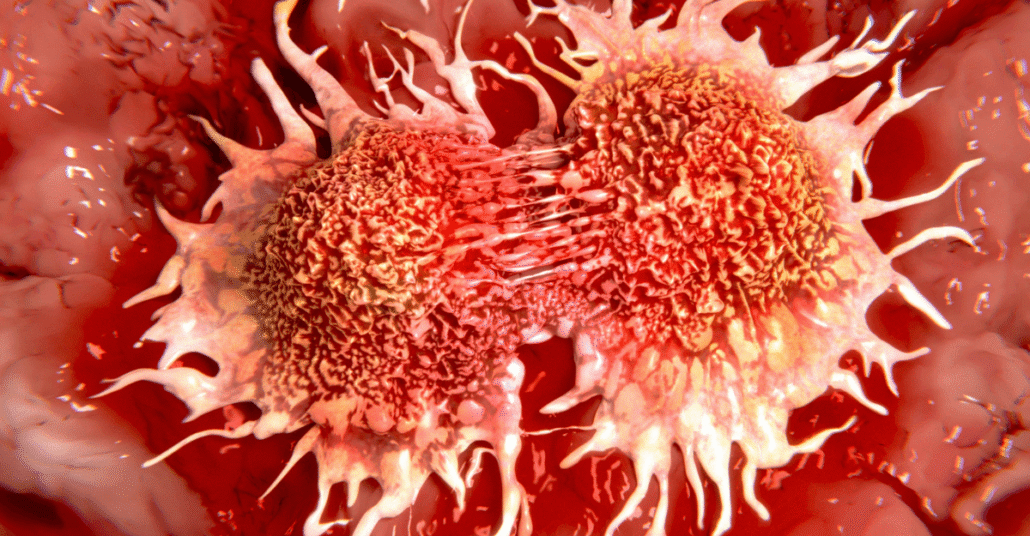
Over months and years, repeated exposure causes the chemicals to accumulate in the liver, kidneys, and blood. This bioaccumulation disrupts normal cellular function. Medical research shows that when PFAS chemicals contaminate the body, they trigger cellular mutation. As the toxic load increases, so does the likelihood of malignant tumor growth. The danger of fluorinated foam lies not just in its immediate toxicity, but in its persistence. A first responder who washed down equipment in the 1990s may still carry elevated levels of those same chemicals in their bloodstream today, silently increasing their risk of severe illness decades after the initial contact.
Which Cancers Are Directly Linked To AFFF Exposure?
Medical research and ongoing multidistrict litigation heavily link AFFF exposure to several specific cancers. The most established connections include kidney cancer, testicular cancer, prostate cancer, bladder cancer, and pancreatic cancer. Firefighters who regularly use or train with fluorinated foam face a significantly higher risk of developing these life-threatening conditions.
The medical community has established a clear connection between occupational exposure to forever chemicals and specific oncological diagnoses. Firefighters have a 9 percent higher risk of developing cancer and a 14 percent higher risk of dying from the disease compared to the general public. As research expands, the National Institute for Occupational Safety and Health identifies heightened occupational cancer risks for firefighters handling these exact chemical compounds.
The current toxic occupational exposure litigation primarily focuses on diseases with the strongest scientific correlation to PFAS. Qualifying injuries typically include:
- Kidney Cancer: The kidneys filter toxins from the blood, making them a primary target for accumulated PFAS damage.
- Testicular Cancer: Significant biomonitoring studies have linked high levels of fluorinated foam exposure to testicular malignancies.
- Prostate Cancer: Prolonged chemical accumulation elevates the risk of aggressive prostate tumors.
- Bladder Cancer: As the body attempts to process the forever chemicals, the bladder lining absorbs heavy toxic loads.
- Pancreatic Cancer: Chemical disruption of the endocrine and digestive systems correlates with pancreatic tumors.
- Thyroid Cancer and Disease: PFAS chemicals mimic and disrupt normal hormone production, leading to severe thyroid conditions.
When a first responder receives a devastating diagnosis, documenting the precise medical timeline becomes vital. Getting comprehensive treatment and clear pathology reports from respected local institutions like CAMC in Charleston or WVU Medicine in Morgantown forms the foundation of any future legal claim. Attorneys file injury claims based on these precise, documented diagnoses, relying on the standard of care established by treating oncologists.
How Did PFAS Chemicals Expose West Virginia First Responders?
West Virginia first responders encountered PFAS primarily through routine equipment checks, direct suppression of chemical or fuel fires, and training exercises. Because AFFF was standard issue for decades at municipal fire stations, military bases, and airports across the state, thousands of firefighters absorbed these chemicals through skin contact, inhalation, and contaminated gear.
Many people assume exposure only occurred during massive industrial emergencies. However, the reality of firehouse life involved constant, low-level interaction with these chemicals. Manufacturers designed class B foam to be mixed, tested, and cleaned up routinely.
Common exposure pathways for local personnel include:
- Routine Washdowns: After a call, personnel washed the sticky foam off their trucks, hoses, and boots, often absorbing the chemicals through dermal (skin) contact.
- Equipment Testing: Monthly or weekly equipment calibrations required, spraying foam into designated pits or drains, resulting in aerosolized PFAS inhalation.
- Turnout Gear Contamination: Forever chemicals saturated heavy bunker gear. The heat of subsequent fires would cause the trapped chemicals to off-gas, exposing the wearer repeatedly.
- Training Exercises: For decades, recruits practiced on live fuel fires at training academies, dousing the flames with highly concentrated PFAS foam.
Beyond municipal departments, West Virginia hosts numerous high-risk facilities. Personnel stationed at Yeager Airport or serving at regional Air National Guard bases faced mandatory AFFF usage requirements per federal aviation and military guidelines. In these environments, firefighters handled massive quantities of the foam, leading to severe, concentrated exposure.
Who Is Liable For Firefighter Foam Injuries?
The current AFFF litigation targets the chemical manufacturers who designed and sold the foam, not local fire departments or municipalities. Companies like 3M, DuPont, and Chemours face strict liability claims because internal documents reveal they knew about the severe health hazards of PFAS for decades but failed to warn the public or emergency responders.
When discussing legal action, many firefighters express hesitation because they do not want to sue the cities or departments they dedicated their lives to serving. It is vital to understand that an AFFF lawsuit does not target your local fire chief, your municipality, or the state of West Virginia.
Attorneys file injury claims directly against the multinational corporations that produced the toxic products. Manufacturers conceal health risks when massive profits are on the line. Legal discovery in these cases has revealed a corporate strategy remarkably similar to the one used by the tobacco industry in the 1990s. Internal memos from companies like 3M and DuPont indicate they possessed scientific data showing that PFAS chemicals contaminate groundwater and cause cellular damage long before the public was aware.
Instead of issuing warnings, pulling the products, or developing safer alternatives, they continued to market class B foam as the ultimate safety tool. By actively withholding this information, these companies breached their legal duty to consumers. Under product liability law, manufacturers face strict liability for releasing a defectively designed product into the stream of commerce while failing to warn users of its inherent dangers.
What Is The Statute Of Limitations For AFFF Claims In West Virginia?
Under West Virginia law, the statute of limitations for personal injury and product liability claims is two years. However, because toxic exposure illnesses take years to develop, West Virginia applies the discovery rule. This means the two-year filing window begins when a firefighter knew, or reasonably should have known, that AFFF exposure caused their cancer diagnosis.
Every legal claim is governed by strict deadlines. Missing a filing deadline permanently bars you from seeking compensation, regardless of how strong your evidence might be. For individuals living and working in this state, the rules are defined clearly by W. Va. Code § 55-2-12, which establishes a two-year window for bringing a personal injury lawsuit.
However, toxic occupational exposure cases present a unique legal challenge. A firefighter might have used AFFF daily from 1995 to 2010 but not develop kidney cancer until 2024. If the two-year clock started ticking on the date of their last exposure, their right to sue would have expired long before they even got sick.
To prevent this injustice, courts apply the “discovery rule.” Under this legal doctrine, the statute of limitations is tolled or paused until the injury is discovered. The two-year countdown begins on the date the claimant receives their cancer diagnosis and makes the connection that their illness was likely caused by their occupational exposure.
Even with the protection of the discovery rule, acting promptly is necessary. Evidence fades, witnesses relocate, and the national litigation continues to move forward rapidly.
How Does The AFFF Multidistrict Litigation (MDL 2873) Work?
AFFF cancer claims are consolidated into Multidistrict Litigation 2873 in federal court. This process groups thousands of similar cases together for pretrial discovery to increase efficiency, while keeping each plaintiff’s specific medical claim distinct. Unlike a class action, an MDL evaluates compensation based on the individual firefighter’s specific diagnosis and exposure history.
Because thousands of first responders, military personnel, and airport workers across the country have suffered similar injuries from the same chemical manufacturers, the federal court system has centralized these cases. They are currently managed under Multidistrict Litigation 2873 (MDL 2873).
Many people confuse an MDL with a class action settlement, but they operate very differently.
- Class Action: In a class action, one or two lead plaintiffs represent an entire group. If the case settles or goes to trial, every member of the class receives a uniform payout, regardless of how severe their individual injuries might be.
- Multidistrict Litigation: In an MDL, cases are combined purely for pretrial efficiency. The judge oversees the gathering of evidence, expert depositions, and document requests from the chemical manufacturers all at once. However, your lawsuit remains entirely your own.
When it comes time to determine financial compensation, your case is evaluated based on its own merits. The severity of your cancer, the length of your exposure, and the impact on your life dictate the potential settlement value. Furthermore, engaging in the federal MDL does not mean you have to hire an out-of-state lawyer. A family from Wheeling or Beckley keeps their local West Virginia legal team to manage their individual claim while participating in the broader national process.
What Evidence Do You Need To File An AFFF Cancer Lawsuit?
Filing a successful AFFF lawsuit requires two main types of evidence: proof of exposure and medical documentation. You must provide employment records demonstrating you worked in environments where class B foam was used, alongside formal medical records from a licensed oncologist diagnosing a PFAS-related cancer.
Building a strong product liability case requires detailed documentation. The chemical companies have massive legal defense teams whose sole job is to argue that something else caused your illness. To combat these defenses, we must build an airtight timeline connecting your work history to your diagnosis.
To pursue a claim within MDL 2873, you will generally need to gather the following evidence:
- Employment and Service Records: Official documentation showing your tenure at a municipal department, airport, or military installation.
- Station Logs and Incident Reports: Records detailing the types of fires fought, the equipment used, and the frequency of AFFF deployment.
- Training Certificates: Documentation proving attendance at fire academies or specialized hazardous materials training where fluorinated foam was utilized.
- Comprehensive Medical Records: Formal diagnostic paperwork from treating facilities like Cabell Huntington Hospital or regional cancer centers.
- Pathology Reports: Detailed laboratory results identifying the specific type and stage of the cancer.
- Pharmacy and Treatment Logs: A record of all chemotherapy, radiation treatments, surgeries, and prescribed medications required to treat the illness.
What Compensation Can Firefighters Recover For PFAS Exposure?
Firefighters harmed by AFFF can recover compensation for both economic and non-economic damages. This includes coverage for past and future medical expenses, lost wages, diminished earning capacity, and financial recovery for the pain, suffering, and emotional distress caused by a severe cancer diagnosis and rigorous medical treatments.
A severe cancer diagnosis devastates a family’s financial stability. The physical toll is compounded by mounting hospital bills, expensive prescription medications, and the sudden inability to work. Holding chemical manufacturers accountable means pursuing full financial compensation for every way the exposure has damaged your life.
Victims in toxic tort cases typically seek two main categories of damages:
- Economic Damages: These are the tangible, measurable financial losses incurred due to the illness. They include all past medical bills related to the diagnosis, as well as the projected costs of future care, such as continuous oncology monitoring, surgeries, and specialized treatments. Additionally, economic damages cover lost wages for the time you were unable to work, and diminished future earning capacity if the illness forces early retirement.
- Non-Economic Damages: These address the profound human cost of the disease. Non-economic damages provide financial recovery for physical pain, debilitating discomfort from treatments, mental anguish, and the loss of enjoyment of life. Watching a career you loved be cut short by corporate negligence causes severe emotional distress, and the legal system assigns financial value to that suffering.
Every case is different, and no attorney can guarantee a specific settlement amount or verdict. The compensation obtained depends heavily on the specific facts of your medical history, your age at diagnosis, and the documented extent of your chemical exposure.
Protecting West Virginia Firefighters And Their Families
The landscape of toxic exposure litigation is shifting as more evidence of corporate negligence comes to light. Our attorneys at Powell & Majestro P.L.L.C. are dedicated to holding these massive corporations accountable. We handle complex mass tort litigation while providing the personalized, compassionate attention your family deserves during a difficult health crisis. We know the local landscape, we understand the federal MDL process, and we are prepared to build a strong case on your behalf. We work on a contingency fee basis, which means you pay no attorney’s fees unless we recover compensation for you.
If you or a loved one served as a firefighter and later developed cancer, explore your legal options while the momentum is strong and evidence is available. Call us today to schedule your free, confidential consultation.
Frequently Asked Questions
Is An AFFF Lawsuit A Lawsuit Against My Fire Department?
No, filing a claim does not mean you are suing your local municipality, the state, or your fire chief. These product liability lawsuits strictly target the chemical manufacturers, such as 3M and DuPont, who designed the toxic foam and failed to warn users about the severe health risks.
Do I Have A Case If I Am A Volunteer Firefighter?
Yes, volunteer personnel have the exact same legal rights as career professionals. The multidistrict litigation focuses entirely on the extent of your chemical exposure and your medical diagnosis, not your payroll status or job title.
Can My Family File A Wrongful Death Claim If My Spouse Died From AFFF-Related Cancer?
Yes, surviving spouses and eligible family members can pursue a wrongful death lawsuit on behalf of a deceased first responder. These claims seek compensation for the loss of financial support, funeral expenses, and the profound loss of companionship caused by the manufacturer’s negligence.
How Much Does It Cost To Hire An Attorney For An AFFF Claim?
You pay nothing out of pocket to begin your legal case. Our firm handles these complex mass tort claims on a strict contingency fee basis, meaning we only collect legal fees if we successfully secure a financial settlement or court verdict on your behalf.
Are Airport And Military Firefighters Eligible To File Claims?
Absolutely. Personnel stationed at commercial airports, Air National Guard bases, and federal military installations faced some of the highest exposure rates due to strict federal regulations that mandated the frequent use of AFFF for training and emergency response.



Leave a Reply
Want to join the discussion?Feel free to contribute!