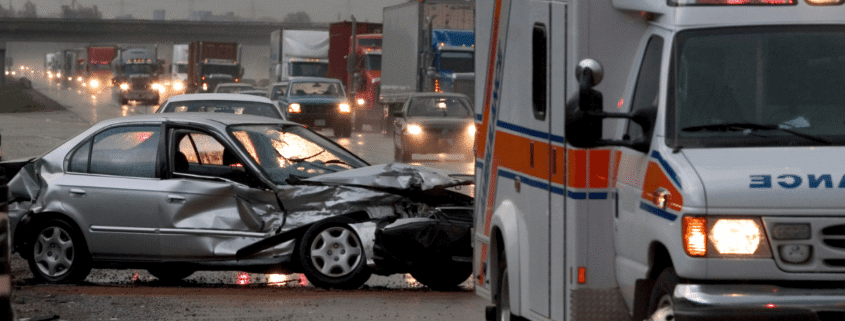
Weirton, WV Car Accident Lawyers
The moments after an unexpected collision blur together. One second, you are commuting along U.S. Route 22, and the next, you are dealing with sirens, deployed airbags, and the immediate stress of mounting hospital bills. The physical pain and disruption to your daily routine can feel overwhelming, especially when aggressive insurance adjusters start calling before you have even left Weirton Medical Center.
During this vulnerable time, dealing with complex legal procedures is the last thing you should have to handle on your own.
What Are the Most Common Causes of Car Accidents in Weirton?
Most car accidents in Weirton result from distracted driving, speeding, and unsafe lane changes along congested corridors like U.S. Route 22 and Three Springs Drive. Heavy commercial truck traffic mixed with local commuters frequently leads to severe rear-end collisions and intersection crashes.
Traffic patterns in the Northern Panhandle create specific risks for residents and visitors alike. Weirton’s unique geographic position brings a heavy mix of local daily commuters and long-haul commercial interstate traffic. When drivers fail to pay attention, the physical and financial consequences for victims are often devastating.
Our attorneys regularly assist clients injured by the following reckless behaviors:
- Distracted Driving: Drivers are looking at smartphones instead of watching for sudden traffic stops near the Colliers Way interchange.
- Speeding and Aggressive Driving: Vehicles traveling far above the posted limits on Main Street significantly reduce their ability to stop safely.
- Unsafe Lane Changes: Commercial tractor-trailers are failing to check blind spots before merging into local commuter traffic.
- Driving Under the Influence: Intoxicated drivers failing to obey traffic signals at major local intersections.
- Weather-Related Negligence: Drivers refusing to slow down during heavy rain or winter weather conditions are common in the Ohio Valley.
These negligent actions lead to severe injuries that require comprehensive medical care and substantial financial resources to address. We investigate the scene thoroughly to determine exactly what caused your crash.
What Should I Do After a Car Crash on Route 22 or Main Street in Weirton?
Immediately call 911 to secure an official report from the Weirton Police Department or West Virginia State Police. Seek emergency evaluation at Weirton Medical Center, photograph the vehicle damage, collect witness information, and preserve all physical evidence from the scene.
The minutes and days following an incident significantly impact the strength of your future legal case. Protecting your rights requires immediate, decisive action. Insurance companies heavily scrutinize the steps victims take right after an injury.
Follow these specific steps to protect your health and your claim:
- Contact Law Enforcement: Ask the local police or the Hancock County Sheriff to respond and create an objective accident report.
- Undergo Medical Evaluation: Visit an emergency room or urgent care facility the same day to diagnose and document all physical trauma. Adrenaline often masks the immediate sensation of pain.
- Document the Scene: Take clear photographs of vehicle damage, road conditions, skid marks, and visible physical injuries.
- Identify Witnesses: Collect the names and phone numbers of any independent bystanders who observed the event unfold.
- Preserve Physical Evidence: Keep your damaged vehicle as is, and do not wash the clothing you wore during the crash until instructed by your attorney.
A medical record created on the exact day of the crash establishes a direct timeline linking your injuries to the accident. Failing to seek prompt medical care gives adjusters an opportunity to argue that your injuries are unrelated to the collision.
How Do I Know If I Have a Valid Car Accident Claim in West Virginia?
You have a valid car accident claim in West Virginia if you can establish that another driver owed you a duty of care, breached that duty through negligent actions like distracted driving, and directly caused a crash that resulted in your financial or physical losses.
Establishing negligence forms the absolute foundation of any successful personal injury claim. It is not enough to simply be injured in a collision. The evidence must definitively link your injuries to someone else’s reckless or careless behavior.
To successfully recover compensation, your legal counsel must systematically prove four fundamental elements:
- Duty of Care: Demonstrating that the responsible driver had a legal obligation to obey traffic laws and act safely.
- Breach of Duty: Proving that the at-fault party failed to uphold their obligation, perhaps by texting while driving or running a red light near the Weirton Municipal Court.
- Causation: Establishing a direct, factual link between the driver’s specific negligent act and the resulting collision.
- Damages: Verifying that you suffered actual, measurable losses, such as hospital bills, lost income, or documented physical pain.
Every driver on Weirton roads has a legal obligation to pay attention to their surroundings. When they fail to do so, they are financially responsible for the harm they cause.
How Does West Virginia’s Modified Comparative Negligence Law Affect My Settlement?
West Virginia uses a modified comparative negligence rule, allowing you to recover compensation as long as you are 49 percent or less at fault for the crash. Your final settlement award is reduced by your exact percentage of assigned blame.
Fault determination heavily influences the financial outcome of your injury case. The state recognizes that multiple parties can share the blame for a single accident. When evaluating a claim, insurance adjusters or a jury at the Hancock County Courthouse will assign a specific percentage of fault to everyone involved.
This calculation operates under strict rules outlined in state law. You can review West Virginia Code Section 55-7-13a via the West Virginia Legislature website for the exact statutory language regarding comparative fault.
The following principles dictate how shared fault impacts your compensation:
- The Proportional Reduction Rule: Any fault assigned to you directly reduces your final check. If you are awarded 100,000 dollars but are found 20 percent responsible, you receive 80,000 dollars.
- The 50 Percent Bar to Recovery: If you are found to be 50 percent or more responsible for the accident, West Virginia law completely bars you from recovering any damages whatsoever.
- Unfair Defense Tactics: Defense attorneys will routinely argue that you were distracted or speeding slightly to push your liability over the 50 percent threshold.
Overcoming shared fault accusations requires concrete evidence. Skilled legal representation uses dashcam footage, skid mark analysis, and witness testimony to protect your right to full compensation.
Should I Talk to the Insurance Adjuster after a Weirton Collision?
You should never provide a recorded statement or accept an early settlement offer from the at-fault driver’s insurance adjuster without consulting an attorney. Adjusters use leading questions and early, lowball offers to minimize your injuries and protect their company’s profits.
Shortly after an accident, you will likely receive a phone call from the other driver’s insurance carrier. The adjuster on the line may sound friendly, professional, and deeply concerned about your well-being. They often offer a quick settlement to help you cover immediate expenses.
Their primary goal is to protect their employer’s bottom line, not your health or financial security. Adjusters employ highly effective tactics to devalue claims from the very first conversation.
Avoid these common traps set by insurance companies:
- The Casual Politeness Trap: Stating you feel fine when asked how you are doing can be recorded and used to argue that your injuries are exaggerated.
- Leading Questions: Adjusters frequently phrase questions to subtly shift the blame onto your actions or suggest you could have avoided the crash.
- Lowball Initial Offers: Fast settlement offers rarely account for the long-term costs of physical therapy or future lost wages.
- Premature Release Forms: If you accept a fast check and sign a release, you forfeit your right to seek additional compensation later, even if you require unexpected surgeries.
The safest strategy is to politely decline providing any statement. Direct all calls and communication to your legal team to ensure your rights remain protected.
What Types of Compensation Can I Recover After a Severe Auto Injury?
Injured victims can recover economic damages for verifiable losses like Weirton Medical Center bills, future rehabilitation costs, and lost wages. You may also secure non-economic damages for the physical pain, emotional distress, and diminished quality of life caused by the collision.
A severe injury impacts every facet of your daily life. It drains your savings, prevents you from earning a living, and strips away your physical comfort. The core objective of a personal injury claim is to make you financially whole again, ensuring that you do not have to pay out of pocket for an accident caused by someone else.
Calculating these damages requires meticulous attention to detail. We project the lifetime costs of your injuries so that your settlement demand encompasses both current bills and future needs.
Compensation typically falls into these major categories:
- Current Medical Expenses: Funding for ambulance transportation, emergency room treatment, surgeries, imaging, and prescription medications.
- Future Medical Care: Necessary capital for long-term physical therapy, follow-up operations, or home accessibility modifications.
- Lost Wages and Earning Capacity: Reimbursement for the paychecks you missed while recovering, and compensation for any permanent disability that permanently reduces your earning potential.
- Pain and Suffering: Financial recovery for the physical agony, mental anguish, scarring, and emotional distress directly resulting from the trauma.
Thorough documentation of every single expense is required to force the insurance company to pay fair value. Our firm works diligently to gather these records on your behalf.
How Long Does a Car Accident Lawsuit Take in Hancock or Brooke County?
A car accident lawsuit in Hancock or Brooke County can take several months to a few years to resolve. The timeline depends on the time required to reach Maximum Medical Improvement, the complexity of evidence, and the insurance company’s willingness to negotiate fairly.
Every legal claim progresses at its own unique pace. Moving too quickly is often detrimental to the victim. It is generally inadvisable to settle a claim before you reach Maximum Medical Improvement. This is the point at which your medical condition has stabilized, and doctors can accurately predict your future health needs.
The claims process generally moves through several distinct phases:
- The Medical Treatment Phase: Prioritizing your physical recovery to ensure all medical expenses are fully known before demanding compensation.
- Investigation and Evidence Gathering: Collecting police reports, medical records, and expert testimony to build an undeniable case.
- Formal Demands and Negotiation: Submitting a comprehensive demand package to the insurance carrier and engaging in back-and-forth discussions to reach a fair out-of-court settlement.
- Litigation and Trial Preparation: Filing a formal complaint in the local civil court system if negotiations fail, initiating the longer discovery and trial process.
While most cases settle outside of court, preparing every claim as if it will go to trial provides the necessary leverage to secure maximum compensation during negotiations.
How Much Time Do I Have to File a Car Accident Lawsuit in West Virginia?
The statute of limitations for car accident injury claims in West Virginia is exactly two years from the date of the collision. Missing this strict two-year deadline will result in the court permanently dismissing your right to seek financial compensation.
The legal window to take action is rigid and unforgiving. According to state law, which you can read about in Justia’s summary of West Virginia Code Section 55-2-12, victims generally have exactly 24 months to formally file a lawsuit against the negligent party.
Two years might sound like a generous amount of time, but building a strong, evidence-based legal claim requires significant preparation. Failing to act promptly jeopardizes your entire right to compensation.
Consider these timeline realities when deciding when to seek counsel:
- Rapid Evidence Degradation: Witnesses forget details, skid marks wash away, and commercial businesses overwrite their security camera footage within weeks of an incident.
- Early Investigation Matters: Prompt legal action allows attorneys to subpoena records and interview witnesses before vital evidence vanishes.
- Government Entity Exceptions: Claims involving municipal vehicles or city property often have much shorter administrative notification deadlines that must be met long before the two-year mark.
- Loss of Leverage: Once the statute of limitations expires, you lose all legal leverage against the insurance company, and they will simply close your file.
Consulting with an experienced legal advocate early ensures that your rights are protected and all procedural deadlines are meticulously tracked.
Protect Your Rights with A Weirton Car Accident Attorney
If you or a loved one has been injured in a collision due to someone else’s negligence in the Northern Panhandle, you do not have to fight the powerful insurance companies alone. The legal team at Powell & Majestro, P.L.L.C. is prepared to evaluate your case, investigate the evidence, and stand up for your right to fair compensation. We focus on handling the heavy lifting of the legal process so you can focus entirely on your physical recovery. Our attorneys represent car accident victims on a contingency fee basis. This means you pay no upfront out-of-pocket costs or hourly legal fees. We only collect a fee if we successfully win a settlement or court verdict on your behalf.
Contact us today to schedule your free, comprehensive consultation and learn more about your legal options.
Frequently Asked Questions
What If the Driver Who Hit Me on Route 22 Was Uninsured?
If an uninsured driver hits you, you can pursue compensation through the Uninsured Motorist coverage on your own auto insurance policy. This coverage steps in when the at-fault party lacks any insurance or adequate limits to cover your medical bills and property damage. Your attorney can file this claim and negotiate directly with your own carrier to ensure you receive the benefits you pay for.
Do I Need a Lawyer for A Minor Car Accident in Weirton?
While you can handle minor property-damage claims independently, you should consult legal counsel if you suffered any physical injuries, missed work, or if fault is disputed. Insurance companies frequently use early conversations to minimize payouts, even in seemingly straightforward collisions. An attorney protects you from inadvertently saying something that damages your claim and ensures all your long-term medical needs are addressed.
Can I Recover Damages If I Was Injured as a Passenger in a Friend’s Car?
Yes, passengers have the same right to safety and can pursue a legal claim for their injuries. You may seek compensation from the driver of the other vehicle involved in the crash. If your friend was at fault for the accident, you can pursue a claim through your friend’s auto insurance liability coverage without having to sue them personally.
Will I Have to Go to Court for My Weirton Car Accident Case?
Most personal injury cases in Hancock and Brooke counties settle outside of court through private negotiations with the insurance company. However, if the insurer refuses to offer a fair settlement that covers your specific losses, filing a lawsuit and proceeding to trial is necessary. We prepare every case thoroughly to ensure we are ready for the courtroom if needed, which often encourages insurers to settle fairly.
What Are Non-Economic Damages in A West Virginia Auto Injury Claim?
Non-economic damages compensate you for the intangible, human costs of an injury that do not have a direct financial price tag attached. This includes monetary recovery for physical pain, emotional distress, permanent disfigurement, and the loss of enjoyment of life. These damages are calculated based on the severity of your injuries and their long-term impact on your daily routine.