Morgantown, WV Car Accident Lawyers
A car accident in Morgantown can turn your world upside down in an instant. One moment, you’re driving along I-68 or navigating the bustling streets near West Virginia University, and the next, you’re facing a totaled vehicle, painful injuries, and a mountain of unexpected medical bills. The aftermath often leaves individuals struggling with physical recovery, financial strain from lost wages, and the daunting process of dealing with insurance companies.
Navigating Morgantown’s Roads and Accident Risks
Morgantown, like many growing cities, presents unique driving challenges. The combination of university traffic, winding local roads, and major thoroughfares like I-79 and I-68 means a higher potential for traffic incidents. From fender-benders on congested urban streets to severe high-speed collisions on interstates, car accidents are an unfortunate reality.
Even minor collisions can lead to significant disruptions, requiring vehicle repairs, doctor visits, and time away from work. More severe crashes can result in catastrophic injuries that necessitate extensive medical treatment, long-term rehabilitation, and permanent alterations to one’s quality of life. Knowing your rights and the steps to take after an accident can make a substantial difference in the outcome of your claim.
Common Types of Car Accidents in Morgantown
Car crashes manifest in various forms, each presenting distinct challenges when determining liability and pursuing a claim. Understanding the different types of collisions can shed light on how they occur and their potential consequences.
- Rear-End Collisions: These are frequently observed accidents, often occurring in stop-and-go traffic or at intersections. They typically result when a driver behind fails to stop in time, often due to distracted driving, tailgating, or inclement weather conditions. While some may seem minor, they can cause significant whiplash and other soft tissue injuries.
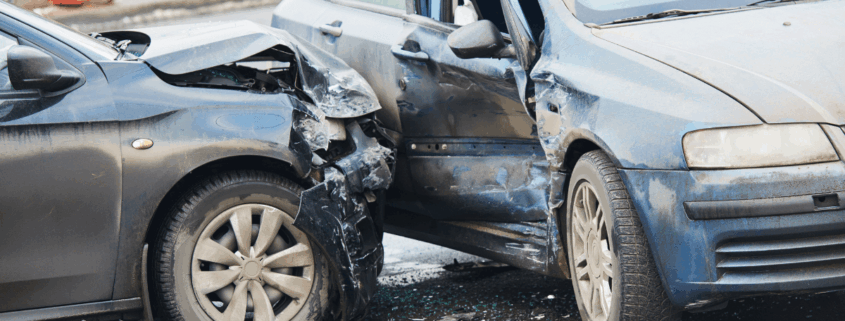
- Side-Impact (T-Bone) Accidents: These dangerous collisions usually happen at intersections where one vehicle strikes the side of another. They often occur when a driver runs a red light or stop sign, or fails to yield the right-of-way. Due to the limited protection on the sides of vehicles, occupants can sustain severe injuries.
- Head-On Collisions: Among the most devastating types of crashes, head-on impacts occur when two vehicles moving in opposite directions collide. These incidents frequently result in serious injuries or fatalities, often stemming from impaired driving, distracted driving, or a driver losing control and crossing the center line.
- Sideswipe Accidents: These can occur when two vehicles traveling in the same direction come into contact, often during lane changes or when a driver drifts out of their lane. While sometimes less severe, they can cause drivers to lose control, leading to further collisions or veering off the road.
- Rollover Accidents: While less common, rollover accidents are extremely dangerous and often result in serious injuries. They can be caused by high-speed turns, striking an object, or certain vehicle designs, particularly SUVs or trucks with a higher center of gravity.
- Single-Vehicle Accidents: A single vehicle striking a stationary object, like a tree, guardrail, or utility pole, falls into this category. While no other vehicle is involved, negligence might still be a factor, such as poor road maintenance, a defective vehicle part, or swerving to avoid an obstacle caused by another driver.
- Multi-Vehicle Pile-Ups: These complex accidents typically occur on highways or interstates, involving three or more vehicles. Determining fault in pile-ups can be intricate, often requiring extensive investigation to reconstruct the sequence of events and identify all contributing parties.
Key Factors for Car Accident Compensation Eligibility
After a motor vehicle accident, a primary concern for many is whether they can obtain financial recovery for their losses. Several key elements dictate your eligibility for compensation and the potential value of your claim.
Severity of Injuries and Damages: The extent of your injuries plays a significant role. Catastrophic injuries, such as traumatic brain injuries, spinal cord damage, or multiple fractures, typically lead to higher medical expenses, longer recovery times, and a greater impact on your daily life, thus increasing the potential compensation. Damages can include:
- Medical treatment costs (emergency care, hospital stays, surgeries, physical therapy, prescription medications)
- Lost income and diminished earning capacity
- Pain and suffering
- Emotional distress and mental anguish
- Loss of enjoyment of life
- Property damage (vehicle repair or replacement)
- Loss of consortium (for spouses of severely injured victims)
Establishing Fault: West Virginia operates under a “modified comparative negligence” rule. This means that to recover compensation, you must prove that another party’s negligence caused your accident. If you are found to be partially at fault, your compensation may be reduced proportionally. For instance, if your total damages are determined to be $100,000, but you are found 10% responsible for the crash, your recoverable compensation would be $90,000. However, if your fault is determined to be 50% or more, you generally cannot recover any damages.
Evidence Collection: A strong personal injury claim relies on compelling evidence. This includes:
- Police accident reports
- Medical records and bills
- Photographs and videos of the accident scene, vehicle damage, and injuries
- Witness statements
- Traffic camera footage
- Vehicle black box data
- Expert witness testimony (e.g., accident reconstructionists, medical professionals)
Adherence to Deadlines: West Virginia has a statute of limitations for personal injury claims, which generally requires lawsuits to be filed within two years from the date of the injury. Missing this deadline can result in losing your right to pursue compensation through the court system. There can be exceptions, so consulting with legal counsel is important to preserve your claim.
The Role of Negligence in Automobile Collisions
Negligence is the cornerstone of most personal injury claims, including those arising from car accidents. To successfully pursue a claim, it must be demonstrated that the other driver (or another party) acted negligently, and this negligence directly caused your injuries and losses.
Negligence occurs when an individual fails to exercise the level of care that a reasonable person would under similar circumstances. In the context of driving, this can include:
- Distracted Driving: This is a leading cause of traffic incidents. Activities like texting, talking on the phone, eating, or adjusting the radio take a driver’s attention away from the road, slowing their reaction time and increasing the likelihood of a crash.
- Impaired Driving: Operating a vehicle under the influence of alcohol or drugs significantly impairs judgment, coordination, and reaction time, making drivers a severe hazard to others.
- Speeding: Exceeding the posted speed limit or driving too fast for road conditions reduces a driver’s ability to react to hazards, increases stopping distances, and amplifies the force of impact in a collision.
- Reckless Driving: This encompasses aggressive behaviors such as tailgating, weaving through traffic, illegally passing, or running red lights and stop signs. Such actions show a disregard for the safety of others on the road.
- Fatigued Driving: Drowsy driving can be as dangerous as impaired driving, leading to slowed reaction times and a decreased ability to pay attention.
- Disregarding Traffic Laws: Failure to obey traffic signals, yield signs, or right-of-way rules often results in intersection collisions.
- Poor Vehicle Maintenance: While less common, accidents can be caused by issues like faulty brakes, worn tires, or defective lights if the vehicle owner failed to properly maintain their vehicle.
Proving negligence often involves gathering evidence, such as police reports, traffic citations, witness testimony, and even data from vehicle event recorders. An experienced legal team can meticulously investigate the crash to establish liability.
Choose Powell & Majestro for Your Car Accident Claim
If you or a loved one has suffered injuries in a motor vehicle accident in Morgantown, or anywhere in West Virginia, you don’t have to face the aftermath alone. The path to recovery and fair compensation can be challenging, but with dedicated legal representation, you can pursue the justice you deserve.
Contact Powell & Majestro P.L.L.C. today for a free, no-obligation consultation to discuss your car accident case. Call us at 304-346-2889 or complete our online contact form to get started. Let our legal team stand by your side, providing the steadfast representation you need during this demanding time.