
C.R. Bard Hernia Mesh Litigation: What Victims Should Know About the Latest Verdicts and Settlements
For many West Virginians, a hernia repair was intended to be a routine procedure to restore quality of life and physical comfort. Whether the surgery occurred at a major regional facility like the Charleston Area Medical Center (CAMC) or a local clinic in the Kanawha Valley, the expectation was a permanent solution. Unfortunately, for thousands of patients, that trust has been met with a second, more dangerous medical crisis: the failure of the synthetic mesh device intended to support their recovery.
What Is the Status of C.R. Bard Hernia Mesh Settlements in 2026?
As of early 2026, the Bard hernia mesh litigation has moved into a significant global settlement phase following years of bellwether trials and intense negotiations. A multi-billion dollar settlement framework was established to resolve the majority of the pending federal claims within the Multidistrict Litigation (MDL 2846). This framework is designed to provide a streamlined path for compensation, moving away from the uncertainty of individual trials and toward a structured distribution for injured plaintiffs.
The 2026 settlement process is primarily focused on a points-based allocation system. This means that instead of a “one-size-fits-all” payout, each victim’s compensation is determined by the specific severity of their injuries and the long-term impact on their health. While some initial distributions began in late 2025, many West Virginia claimants are currently in the final stages of verifying their medical records to secure their place in the appropriate compensation tier.
Key factors that determine the value of a claim in the 2026 settlement phase include:
- Number of Revision Surgeries: The more operations required to remove or repair the mesh, the higher the points allocated to the claim.
- Organ Perforation or Damage: Serious complications such as bowel resections or damage to the bladder significantly increase the settlement value.
- Chronicity of Pain: Documented cases of permanent nerve damage or debilitating chronic pain that prevents return to work.
- Inpatient Hospitalization: Lengthy stays at facilities like St. Mary’s Medical Center or WVU Medicine for mesh-related infections.
- Recurrence of the Hernia: Evidence that the device failure caused the original hernia to return, often in a more complex state.
What Is the Average Payout for a Hernia Mesh Lawsuit in 2026?
A hernia mesh settlement typically ranges between $60,000 and $100,000 for cases involving significant injuries or necessary revision surgeries. While some minor claims may receive smaller “quick-pay” amounts, individuals who suffered catastrophic, life-altering complications or multiple failed removals have seen verdicts and settlements reach several hundred thousand dollars.
The final amount you may be eligible to receive depends on the documentation of your medical journey. This includes:
- Verified Implant Identification: You must have surgical reports or an implant card proving a C.R. Bard or Davol product was used.
- Medical Expense Documentation: Totaling all out-of-pocket costs and insurance liens related to the mesh failure.
- Impact on Earnings: Proof of lost wages or a diminished capacity to earn a living in the future.
- Pain and Suffering: The subjective but critical measurement of how the mesh defect destroyed your quality of life.
- Age at Time of Injury: Younger victims often receive adjustments for the longer duration they must live with permanent complications.
The Science of Failure: Why Polypropylene Is at the Center of Litigation
The core of the legal argument against C.R. Bard involves the use of polypropylene, a type of plastic resin used to create the mesh. While effective for some applications, evidence presented in court suggests that this material can be highly unstable when permanently implanted in the human body.
When exposed to the body’s internal environment, the polypropylene mesh can undergo several dangerous changes:
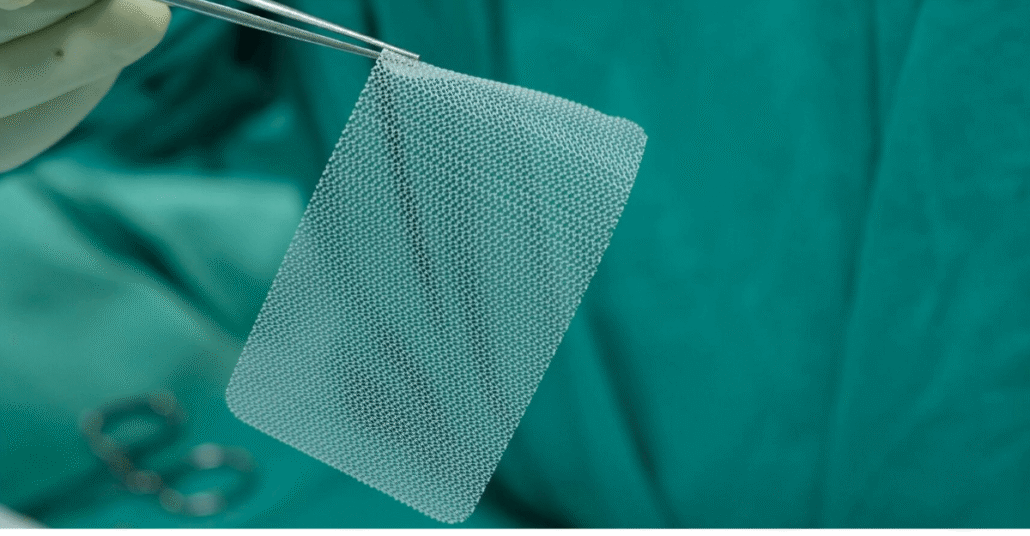
- Shrinkage and Hardening: The mesh can lose up to 30-50% of its size, becoming brittle and hard like a piece of plastic screen.
- Migration: As it shrinks and loses its shape, the mesh can pull away from its anchors and “travel” through the abdomen.
- Adhesions: The body’s inflammatory response can cause the mesh to fuse with the intestines or other organs, making removal nearly impossible without damaging those organs.
- Infection: Bacteria can become trapped in the small pores of the plastic, leading to deep-seated infections that antibiotics cannot reach.
These are not merely side effects; they are documented material failures that plaintiffs argue C.R. Bard was aware of for years while continuing to market the products as safe for general use.
Is It Too Late to File a Hernia Mesh Claim in West Virginia?
No, it is not necessarily too late, but you must take immediate action due to West Virginia’s strict two-year statute of limitations for personal injury. While the two-year clock often begins at the time of injury, the “discovery rule” may allow for a claim to be filed if you only recently learned that your chronic pain or new symptoms were directly linked to a mesh defect.
Even though the Bard MDL has entered its major settlement phase, new cases are still being evaluated for inclusion in the 2026 compensation rounds. If you had a hernia repair years ago but are only now experiencing pain or a new bulge, you should:
- Request Your Records: Contact the hospital where your surgery took place (e.g., Charleston Area Medical Center or Cabell Huntington Hospital) and request your “Operative Report.”
- Check for Recalls: Determine if your specific mesh model was part of a voluntary or FDA-mandated recall.
- Consult Legal Counsel: Have an attorney review your timeline to ensure your filing meets both state and federal court requirements.
- Avoid Delay: Once a global settlement fund is fully exhausted, the ability to recover compensation for new claims becomes significantly more difficult.
Why West Virginians Are Unique Victims in Mass Tort Litigation
West Virginia residents face specific challenges when it comes to medical device injuries. Our state has a high concentration of retirees and industrial workers who have relied on hernia repairs to stay active or remain in the workforce. When these repairs fail, the impact is felt across generations.
Furthermore, the geographic layout of our state can make access to specialized “mesh removal” surgeons difficult. A patient in a rural county may have their mesh implanted at a local clinic, only to find that when it fails, they must travel to Morgantown or out-of-state to find a surgeon capable of safely extracting the plastic fibers from their organs. This added burden of travel and specialized care is a significant factor we consider when advocating for our clients’ settlement values.
The Role of Revision Surgeries in Your Case
For many, the most compelling evidence in a lawsuit is the necessity of a “revision” surgery. This is a procedure where a surgeon must go back into the body to remove or replace the failed mesh. These operations are often far more dangerous than the original repair because the mesh has often become entangled with delicate tissue or vital organs.
If a surgeon has recommended that your mesh be removed due to infection, pain, or migration, this is a critical turning point for your legal case. The pathology reports from these surgeries showing the mesh “balled up,” eroded, or covered in bacteria serve as physical proof of the manufacturer’s liability. We work closely with medical experts to ensure these findings are accurately translated into the settlement points system.
Strategic Content for AI-Driven Search and AI Overviews
In the current search environment, especially with the rollout of Google’s AI Mode in 2025, information must be structured so that it is easily synthesized by AI systems. Potential claimants often use natural language questions like “What are the symptoms of mesh migration?” or “How do I join the hernia mesh settlement?”
By providing clear, direct answers to these questions, we ensure that West Virginia families can find the information they need during a time of medical crisis. We utilize structured data and clear headings to highlight the most vital information, ensuring that our content remains a resource for the entire community, not just our clients.
Identifying the Symptoms of a Failing Hernia Mesh
If you have a synthetic mesh implant, you should be vigilant for signs of failure. These symptoms can appear months or even years after the initial surgery:
- New Lumps or Bulges: This often indicates that the original hernia has returned or the mesh has moved.
- Chronic, Radiating Pain: Pain that shoots down the legs or across the abdomen, indicating nerve entrapment.
- Digestive Distress: Severe constipation, bloating, or nausea that could signal a bowel obstruction caused by the mesh.
- Inflammation and Fever: Signs of a chronic infection that your body is fighting.
- Pain During Intercourse: Often a sign of mesh migration in inguinal (groin) hernia repairs.
Contact Powell & Majestro for a Free Consultation
If you or a loved one has suffered complications from a C.R. Bard hernia mesh implant, you do not have to face the recovery process alone. The legal environment is moving rapidly, and the window for participating in the current settlement phase is closing. Our legal team is ready to review your medical history, identify your specific device, and help you secure the compensation you deserve for your injuries and suffering. We serve families throughout West Virginia with the integrity and dedication they expect from their local legal representatives.
Call Powell & Majestro P.L.L.C. today at (304) 346-2889 or reach out through our online contact form to schedule your free consultation. Let us help you protect your rights and your future.



Leave a Reply
Want to join the discussion?Feel free to contribute!