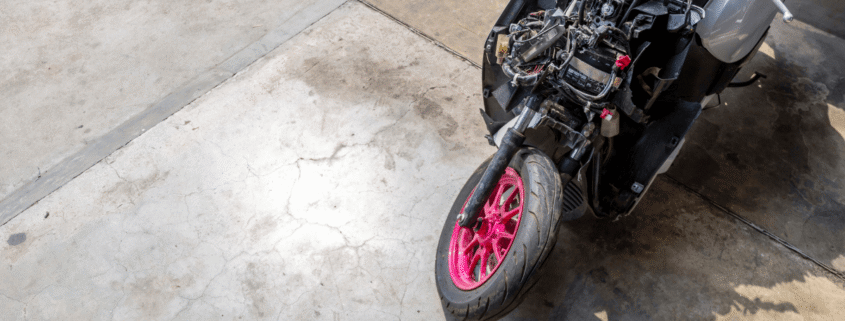
Martinsburg, WV Motorcycle Accident Lawyers
The open roads of the Eastern Panhandle offer some of the most scenic riding in the region. From the rolling hills surrounding Berkeley County to the straighter stretches of U.S. Route 11, motorcycles are a common sight and a popular mode of transport for many residents. However, the very freedom that makes riding appealing also leaves motorcyclists uniquely vulnerable. A collision that might result in a minor fender bender for a passenger vehicle often leads to catastrophic consequences for a rider.
When you are navigating the heavy commercial traffic on Interstate 81 or managing the congestion near the Foxcroft Towne Center, the margin for error is razor-thin. Unfortunately, other drivers frequently fail to see motorcycles or misjudge their speed, leading to devastating accidents. The aftermath of a crash is rarely just about healing from physical wounds; it involves battling insurance adjusters who often hold unfair biases against riders, navigating mounting medical bills from facilities like WVU Medicine Berkeley Medical Center, and worrying about lost wages.
The Unique Risks of Riding in Berkeley County
Martinsburg serves as a transportation hub for the Eastern Panhandle, creating a mix of local commuter traffic and heavy interstate commerce. This combination presents specific hazards for motorcyclists that are not present in other parts of the state.
Heavy Commercial Traffic on I-81
Interstate 81 is the backbone of freight transport in the eastern United States. For a motorcyclist, sharing the road with 80,000-pound tractor-trailers is a daily reality. The “wind blast” from a passing semi-truck can destabilize a bike, and the massive blind spots or “No-Zones” around these trucks mean a rider can easily disappear from a truck driver’s view. We frequently handle cases where a truck driver made an unsafe lane change near the King Street or Edwin Miller Boulevard exits, forcing a rider off the road or into a collision.
Congestion on Local Arteries
While highway speeds are dangerous, low-speed collisions on local roads can be equally damaging. Roads like Queen Street and Foxcroft Avenue see high volumes of stop-and-go traffic. In these environments, drivers distracted by cell phones or GPS devices often fail to notice a motorcycle stopped at a red light or preparing to turn. Rear-end collisions in these zones can throw a rider from their bike, resulting in severe spinal or orthopedic injuries.
Rural Road Hazards
Routes like WV-9 and winding back roads towards Hedgesville or Inwood offer beautiful rides but come with their own risks. Loose gravel, uneven pavement, and a lack of shoulders can be treacherous. Furthermore, drivers pulling out from private driveways or secondary roads often underestimate how fast a motorcycle is approaching, leading to dangerous T-bone collisions.
How is Fault Determined in a West Virginia Motorcycle Accident?
In West Virginia, fault is determined by the doctrine of modified comparative negligence, meaning you can recover compensation as long as you are 49% or less at fault. Evidence such as police reports, witness testimony, and accident reconstruction is used to establish liability.
Establishing fault is the cornerstone of any personal injury claim, but in motorcycle accidents, it is often more complex due to the preconceived notions many people have about riders. To secure a fair settlement or verdict, we must prove that the other driver’s negligence, not your riding, was the primary cause of the crash.
Under West Virginia’s modified comparative negligence rule, the court or insurance adjusters will assign a percentage of fault to each party involved. This is a critical calculation because:
- The 50% Bar: If you are found to be 50% or more responsible for the accident, you are barred from recovering any damages.
- Reduction of Damages: If you are found to be partially at fault (49% or less), your compensation is reduced by that percentage. For example, if you have $100,000 in damages but are found to be 20% at fault, you would receive $80,000.
Insurance companies are well aware of this rule and will aggressively try to shift blame onto you to push your liability over that 50% threshold. They may argue you were speeding, lane splitting (which is illegal in West Virginia), or riding in a blind spot. Our role is to counter these narratives with hard evidence. We investigate the scene, analyze skid marks, review dashcam footage, and interview witnesses to build a factual timeline of the event that protects your rights.
Overcoming Bias Against Motorcyclists
One of the most significant hurdles in motorcycle accident claims is the “reckless biker” bias. Defense attorneys and insurance adjusters often attempt to paint all riders as thrill-seekers who disregard traffic laws. This stereotype can be incredibly damaging, especially if a case goes before a jury in Berkeley County.
We combat this bias by presenting our clients as responsible motorists. This involves:
- Demonstrating Compliance: Showing that you were properly licensed, endorsed, and wearing all required safety gear, including a DOT-approved helmet.
- Driver History: highlighting a clean driving record to show a history of safety.
- Facts Over Assumptions: Refocusing the argument on the specific negligent actions of the defendant, such as failing to yield right of way or texting while driving, rather than generalities about motorcycles.
Common Injuries in Motorcycle Collisions
Without the protective steel cage of a car, a motorcyclist absorbs the full force of an impact. Even with high-quality protective gear, the injuries sustained are often severe and life-altering. We help clients in Martinsburg secure compensation for a wide range of injuries, including:
- Traumatic Brain Injuries (TBIs): Even with a helmet, the force of hitting the pavement can cause the brain to collide with the skull. Symptoms can range from concussions to permanent cognitive deficits that require lifelong care.
- Road Rash: This is far more than a minor scrape. Severe road rash acts like a burn, stripping away layers of skin and often requiring painful skin grafts to heal. It also carries a high risk of infection.
- Orthopedic Injuries: Fractures to the legs, wrists, and collarbones are common as riders instinctively throw their hands out to break a fall or have their legs crushed by the bike.
- Spinal Cord Injuries: Damage to the vertebrae or spinal cord can result in partial or total paralysis, fundamentally changing a victim’s ability to work and live independently.
- Internal Injuries: Blunt force trauma can damage the spleen, liver, or kidneys. These injuries are particularly serious because they may not be immediately visible at the scene.
What Compensation Can I Recover After a Motorcycle Crash in Martinsburg?
You may be entitled to recover both economic damages for financial losses like medical bills and lost wages, and non-economic damages for intangible losses such as pain, suffering, and loss of enjoyment of life. In rare cases of malicious conduct, punitive damages may also apply.
The goal of a personal injury claim is to make you “whole” again, at least financially, after an accident. Because motorcycle injuries are often severe, the financial stakes are high. We meticulously calculate both your current and future needs to ensure you are not left paying for someone else’s mistake years down the road.
Economic Damages
These are the objective, verifiable financial losses you have incurred.
- Medical Expenses: This includes ambulance fees, emergency room treatment at hospitals like WVU Medicine Berkeley Medical Center, surgeries, hospital stays, and medication.
- Future Medical Costs: Many motorcycle injuries require long-term physical therapy, follow-up surgeries, or home modifications. We work with medical planners to estimate these future costs accurately.
- Lost Wages: Compensation for the time you were forced to miss work while recovering.
- Loss of Earning Capacity: If your injuries result in a permanent disability that prevents you from returning to your previous job or profession, you are entitled to the difference in your future earning potential.
Non-Economic Damages
These damages compensate you for the human cost of the injury the ways in which your life has been diminished.
- Pain and Suffering: For the physical agony and emotional distress caused by the crash and recovery process.
- Loss of Enjoyment of Life: If you can no longer ride your motorcycle, play with your children, or participate in hobbies you once loved.
- Disfigurement and Scarring: Severe road rash or surgical scars can have a lasting psychological impact, for which you can be compensated.
- Loss of Consortium: In severe cases, a spouse may file a claim for the loss of companionship and support resulting from the victim’s injuries.
Should I Talk to the Insurance Adjuster After a Motorcycle Wreck?
You should decline to give a recorded statement to the at-fault driver’s insurance company until you have consulted with an attorney. Adjusters are trained to extract admissions of fault or minimize your injuries, and your words can be used to devalue or deny your claim.
Shortly after an accident, you will likely receive a call from the other driver’s insurance company. The adjuster may sound friendly and concerned, asking how you are feeling or offering a quick settlement to “help you get back on your feet.” It is critical to remember that their primary goal is to protect their company’s bottom line, not your health.
Insurance adjusters often use specific tactics with motorcyclists:
- The “I’m Fine” Trap: If they ask “How are you?” and you politely say “I’m okay,” they may use that soundbite later to argue your injuries aren’t serious, even if you were in shock or pain at the time.
- Leading Questions: They may ask questions phrased to suggest you were speeding or distracted, trying to get you to agree to a version of events that puts you at fault.
- Lowball Offers: They know you are likely out of work and facing medical bills. They may offer a quick settlement that covers your bike repairs and immediate bills but ignores the long-term costs of your injuries. Once you sign a release, you cannot ask for more money later.
The safest course of action is to politely decline a recorded statement and refer all communication to your attorney. We handle the insurance companies so you can focus on healing.
Wrongful Death Claims in Motorcycle Accidents
Tragically, many motorcycle accidents in the Eastern Panhandle are fatal. The loss of a loved one is devastating, and while no amount of money can replace a family member, a wrongful death claim can provide financial stability for those left behind.
Under West Virginia law, the personal representative of the deceased’s estate can file a wrongful death lawsuit. This allows the family to recover damages for funeral and burial expenses, lost income and benefits the deceased would have provided, and the sorrow and mental anguish suffered by the surviving spouse, children, and parents. We handle these delicate cases with the utmost compassion and determination, fighting to hold the negligent parties accountable.
Immediate Steps to Protect Your Claim
What you do in the minutes and days following a crash can significantly impact the success of your legal case. If you are physically able, take these steps:
- Call 911: Ensure the Martinsburg Police Department, Berkeley County Sheriff’s Department, or West Virginia State Police respond to the scene. An official accident report is vital evidence.
- Seek Medical Attention: Go to the ER immediately, even if you feel fine. Adrenaline often masks pain. A medical record created immediately after the crash links your injuries directly to the accident.
- Preserve Evidence: Do not fix your bike immediately. Do not throw away your damaged helmet or torn riding gear. These items are physical evidence of the severity of the impact and can be used to reconstruct the crash.
- Take Photos: Capture the position of the vehicles, skid marks, road debris, and any traffic signs or signals.
- Identify Witnesses: Get names and phone numbers of anyone who stopped. Independent accounts are often more credible than the drivers involved.
Frequently Asked Questions
What is the statute of limitations for a motorcycle accident in West Virginia?
In West Virginia, you generally have two years from the date of the accident to file a personal injury lawsuit. If you fail to file within this window, the court will likely dismiss your case, and you will lose your right to seek compensation. It is important to consult an attorney early, as building a strong case takes time.
Do I have to wear a helmet to have a valid injury claim?
West Virginia has a universal helmet law requiring all riders and passengers to wear a DOT-approved helmet. While failing to wear one does not automatically bar you from suing, the defense will likely argue that your failure to wear a helmet contributed to your injuries, which could reduce your compensation under comparative negligence rules.
Can I still recover damages if I was partially at fault for the crash?
Yes. West Virginia uses a modified comparative negligence rule. As long as you are 49% or less at fault, you can recover damages. However, your total award will be reduced by your percentage of fault. If you are found to be 50% or more responsible, you cannot recover anything.
What if the driver who hit me fled the scene (hit-and-run)?
If the at-fault driver flees, you may still be able to recover compensation through your own insurance policy if you carry Uninsured Motorist (UM) coverage. UM coverage is designed to step in when the at-fault driver is unknown or has no insurance. An attorney can help you navigate this process with your own insurer.
Is lane splitting legal in Martinsburg, West Virginia?
No, lane splitting (riding between lanes of slow-moving or stopped traffic) is not legal in West Virginia. If you were lane splitting at the time of the accident, the insurance company will likely argue that you were negligent, which could significantly impact your ability to recover damages.
Does your firm handle motorcycle accidents involving passengers?
Yes. Passengers on motorcycles have the same right to safety as the operator. If you were injured while riding as a passenger, you may have a claim against the driver of the other vehicle, or potentially against the motorcycle operator if their negligence caused the crash.
Why do I need a lawyer for a motorcycle accident specifically?
Motorcycle accidents involve unique physics and injuries that are distinct from car accidents. Furthermore, riders face bias from insurers and juries who often assume the motorcyclist was being reckless. An experienced attorney understands how to reconstruct these accidents and effectively counter anti-rider prejudice to protect your rights.
Contact Our Martinsburg Motorcycle Accident Lawyers
If you or a loved one has been injured in a motorcycle accident in Martinsburg or anywhere in the Eastern Panhandle, you do not have to face the legal challenges alone. The road to recovery is long, but we are here to walk it with you. The legal team at Powell & Majestro, P.L.L.C., is dedicated to fighting for the rights of riders. We stand up to powerful insurance companies to ensure you receive the full justice and compensation you are entitled to.
Contact us today at 304-346-2889 or complete our online contact form to schedule a free, no-obligation consultation. Let us be your steadfast advocates in seeking the justice you deserve.